

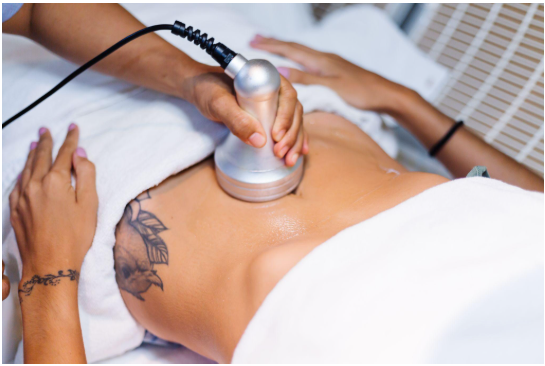

Dropping significant weight represents an incredible achievement for your health, energy, and overall well-being. However, celebrating a lower number on the scale often comes with an unexpected physical reality: loose, sagging skin. When fat stores shrink rapidly, your skin does not always bounce back at the same speed. This sudden loss of volume leaves underlying dermal layers stretched out, particularly around the abdomen, arms, and upper legs. While exercise builds underlying muscle tone, targeted skin laxity requires specialised aesthetic intervention. Understanding when an advanced XERF treatment becomes the ideal solution helps you bridge the gap between achieving your target weight and enjoying a firm, well-defined silhouette.
The Laxity Reality: Why Skin Struggles After Weight Loss
Skin relies on two primary structural proteins to maintain its elasticity and structure: collagen and elastin. When you carry extra weight over an extended period, these elastic fibres stretch to accommodate the increased body volume.
Rapid or substantial weight loss depletes the underlying tissue cushion faster than your skin can produce fresh structural support. Age, genetics, sun exposure, and the speed of your weight loss journey further dictate how well your skin recovers naturally. When mild-to-moderate skin laxity persists despite strength training and balanced nutrition, non-invasive energy-based treatments offer a safe, effective pathway to restore tissue density without resorting to surgical incisions or extensive recovery periods.
Defining XERF: Dual-Frequency Technology for Deep Remodelling
When diet and exercise reach their limit, medical aesthetics step in with advanced radiofrequency (RF) energy. Understanding how XERF treatment works helps clarify why it stands out in modern body contouring.
Unlike conventional single-frequency devices, this innovative system utilises dual-frequency monopolar radiofrequency energy. By delivering heat at two distinct depths simultaneously, the technology targets both shallow dermal layers and deeper subdermal structural tissue.
This thermal energy contracts existing collagen fibres immediately while triggering long-term fibroblastic activity to generate fresh collagen and elastin over the following weeks. Equipped with real-time temperature monitoring and integrated surface cooling, the procedure safely delivers optimal therapeutic heat while protecting the outer skin, making it a comfortable, needle-free option.
Identifying Ideal Candidates: When Is It Time for Treatment?
Timing plays a crucial role when considering non-surgical body tightening options after shedding weight.
Determining whether your body is ready for RF skin tightening involves evaluating specific clinical parameters:
- Stable Body Weight – You have reached or are close to your target body weight and maintained stability for several months.
- Mild to Moderate Laxity – Your post-weight-loss skin exhibits minor sagging, crepiness, or softness rather than heavy, overlapping skin folds.
- Localised Stubborn Areas – You notice lingering loose skin around specific trouble zones, such as the stomach, upper arms, flanks, or inner thighs.
- Preference for Zero Downtime – You prefer gradual, natural-looking firming without undergoing invasive surgical excisions like tummy tucks or thigh lifts.
If your post-weight-loss journey leaves you with mild tissue slackness alongside small lingering fat pockets, combining skin tightening with non-surgical fat removal from thighs or the abdomen delivers comprehensive contour refinement.
Combining Modalities: Enhancing Contours Beyond Skin Tightening
Achieving a truly sculpted post-weight-loss appearance often requires addressing both skin firmness and localised fat distribution simultaneously. While radiofrequency technology focuses primarily on collagen remodelling and structural lifting, it does not act as a primary weight-loss tool.
Pairing targeted skin firming with complementary body sculpting techniques produces superior overall results. For example, pairing a XERF treatment with cryolipolysis (fat freezing) addresses persistent fat pockets on the upper legs while simultaneously tightening the surrounding slack skin. Similarly, combining RF firming with electromagnetic muscle stimulation enhances underlying muscle tone while smoothing the surface skin layer. Incorporating non-surgical fat removal from thighs into a personalised multi-modal plan ensures your legs look lean, toned, and firm from every angle.
Embracing Your Transformation: Final Thoughts
Losing weight is a major achievement, but managing post-weight-loss skin laxity requires targeted care. By restoring lost structural density through advanced dual-frequency radiofrequency technology, you can firm sagging skin, refine lingering trouble spots, and comfortably enjoy your new body shape.
Frequently Asked Questions
Is XERF treatment painful during a session?
Most patients find the procedure comfortable. You will feel a gentle warming sensation as the radiofrequency energy penetrates deep tissue, balanced by built-in cooling technology that keeps the outer skin cool and protected.
How soon will I see visible skin tightening results?
You may notice mild initial firmness right after treatment due to immediate collagen fibre contraction. However, optimal lifting and tightening develop progressively over one to three months as fresh collagen forms.
Does non-surgical skin tightening replace surgical body lifting?
No, non-invasive radiofrequency treatments work best for mild to moderate skin laxity. Severe sagging or excessive hanging skin folds following extreme weight loss typically require surgical excision for complete correction.
Celebrate your weight loss transformation by giving your skin the firm, sculpted finish it deserves. Contact Halley Bodyworks today to schedule your personalised body tightening consultation!