

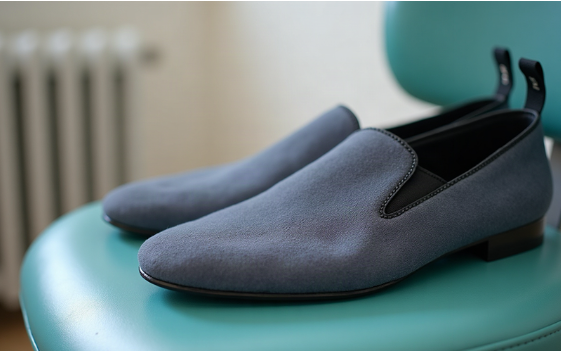

A first physiotherapy appointment for foot pain usually includes a detailed conversation, a physical examination and some initial advice or exercises. Whether you are looking into heel pain treatment or seeking help for discomfort in the arch, ankle or toes, a little preparation can make the session run smoothly. Bringing the right information and items helps the physiotherapist understand your situation quickly and leaves more time for assessment and discussion.
A Record of Your Symptoms
Pain can be hard to describe accurately once you are in the clinic, so writing down a few details beforehand can help. Points to note include the following:
- When the pain started and whether it began suddenly or gradually.
- The exact area that hurts, such as the heel, arch, ball of the foot or toes.
- Times of day when the pain is worse, such as the first steps in the morning.
- Activities that make it worse or ease it, such as standing, walking or resting.
- Any swelling, numbness, tingling or changes in skin colour.
Your Usual Footwear
Shoes often play a part in foot pain, so the physiotherapist may want to see what you wear most. Consider bringing items like these:
- The shoes you wear for work or most of the day.
- Sports shoes used for running, walking or gym sessions.
- Any insoles, orthotics or heel cups you currently use.
- Slippers or sandals if you spend a lot of time in them at home.
Medical History and Medications
Some health conditions and medications can affect the feet or influence how they are treated. Before your visit, gather details such as these:
- Conditions such as diabetes, arthritis or circulation problems.
- Past injuries or surgery involving the feet, ankles, knees or back.
- A list of current medications and supplements.
- Results of any X-rays, ultrasound scans or blood tests related to the foot.
- Referral letters from a doctor or podiatrist, if you have them.
Details of Your Daily Activities
Your routine affects how much load your feet take each day. Remember, in foot pain physiotherapy in Singapore, sessions often start by looking at how long you stand, walk or travel on foot, since commuting and work routines vary widely. It helps to prepare information such as this:
- The type of work you do and how many hours you spend standing or walking.
- Sports or exercise routines, including any recent increase in distance or intensity.
- Changes in routine, such as starting a new job, moving house or travelling.
- Hard floors at home or work, especially if you walk barefoot on them.
Information on Past Treatments
Knowing what has already been tried helps the physiotherapist plan the next steps. Make a note of the following:
- Stretches or exercises you have done and whether they made a difference.
- Pain relief medications, creams or ice and how often you used them.
- Previous physiotherapy, podiatry or injection treatments.
- Rest periods or changes to activity and their effect on the pain.
Clothing for the Assessment
The physiotherapist will usually need to look at your feet, ankles and legs, and watch you walk or move. Plan to wear the following:
- Shorts or loose trousers that can be rolled above the knee.
- Socks that are easy to remove.
- Comfortable clothing for simple movements such as squats or balance tests.
A List of Questions and Goals
Writing down questions in advance makes it easier to remember them during the session. You may want to ask about or mention these points:
- What may be causing the pain and how long recovery might take.
- Which activities to continue, adjust or pause for now.
- The goals that matter to you, such as walking without pain or returning to running.
Arriving Ready
A few minutes of preparation can make your first appointment more focused. If your foot pain is severe, follows an injury or comes with numbness, fever or open wounds, speak with a doctor promptly before or alongside physiotherapy.
Dealing with heel or arch pain that keeps coming back? Reach out to The Movement Laboratory to enquire about a foot pain assessment.