

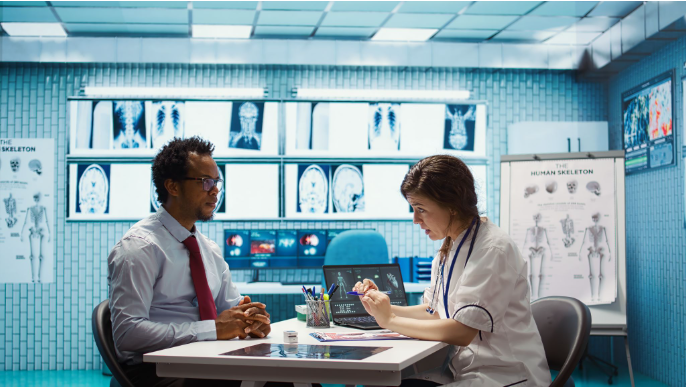

Healthcare technology continues to evolve rapidly as medical organizations seek better ways to improve patient care, surgical precision, and treatment outcomes. Around the world, countries and healthcare companies are investing heavily in research facilities, advanced laboratories, and collaborative healthcare ecosystems. A strong medical innovation and R&D hub plays a critical role in developing new technologies, accelerating scientific discovery, and supporting the future of modern medicine.
Medical research and development centers bring together scientists, engineers, healthcare professionals, and technology experts to create advanced solutions for hospitals and patients. These hubs support innovation across many healthcare fields including surgical robotics, diagnostic imaging, digital health, artificial intelligence, biotechnology, and minimally invasive surgery.
As healthcare systems continue facing growing demands from aging populations and chronic diseases, innovation driven research environments are becoming increasingly important for improving healthcare quality and accessibility worldwide.
Understanding the Role of Medical Research and Development
Medical research and development focuses on discovering, testing, and improving healthcare technologies, treatments, and medical devices. Research centers help transform scientific ideas into practical healthcare solutions that can be safely used in hospitals and clinics.
R&D activities often involve collaboration between universities, hospitals, biotechnology firms, and medical technology companies. These partnerships allow organizations to combine scientific expertise with clinical experience and engineering innovation.
Healthcare research may involve developing advanced surgical tools, creating more accurate diagnostic systems, improving digital healthcare platforms, or designing minimally invasive treatment technologies. Every stage of development requires careful testing, evaluation, and regulatory compliance before products reach healthcare providers.
Medical innovation hubs provide the infrastructure and resources necessary to support these complex development processes.
Importance of Collaboration in Healthcare Innovation
One of the most important strengths of a medical innovation hub is collaboration. Healthcare challenges often require expertise from multiple disciplines including medicine, engineering, software development, biotechnology, and data science.
Hospitals provide clinical insight into patient needs and treatment challenges. Universities contribute scientific research and specialized training. Technology companies bring engineering expertise and manufacturing capabilities that help transform ideas into real world medical products.
This collaborative environment encourages faster innovation and more effective problem solving. Teams can work together to identify healthcare gaps and develop solutions that improve patient outcomes and healthcare efficiency.
International collaboration is also becoming increasingly common within healthcare research. Global partnerships help accelerate medical discovery and support the development of technologies that can benefit healthcare systems worldwide.
Advancing Surgical and Diagnostic Technologies
Many healthcare innovation hubs focus heavily on surgical and diagnostic technology development. Modern surgery increasingly depends on advanced tools such as robotic systems, imaging platforms, and intelligent surgical instruments.
Research teams continue improving minimally invasive surgery technologies that reduce patient recovery time and improve surgical precision. Robotic assisted surgery systems are becoming more sophisticated through advancements in imaging, automation, and instrument control.
Diagnostic innovation is equally important in modern healthcare. Artificial intelligence powered imaging systems, portable diagnostic devices, and molecular testing technologies help healthcare providers detect diseases earlier and more accurately.
Medical imaging technologies such as MRI, CT scanning, ultrasound, and real time surgical visualization systems continue advancing through ongoing research and engineering development.
Role of Artificial Intelligence in Healthcare Research
Artificial intelligence is becoming one of the most influential technologies within healthcare innovation. Research and development hubs are increasingly focused on AI powered systems that improve diagnosis, patient monitoring, and healthcare operations.
AI algorithms can analyze large volumes of medical data to identify patterns that support clinical decision making. In medical imaging, artificial intelligence helps detect abnormalities with greater speed and accuracy.
Machine learning technologies are also being explored for predictive healthcare applications. These systems may help identify patients at risk for certain conditions before symptoms become severe.
Hospitals and research organizations are using AI to improve workflow efficiency, reduce administrative burdens, and support personalized treatment planning. As digital healthcare expands, artificial intelligence will likely become even more integrated into future medical systems.
Importance of Advanced Manufacturing and Prototyping
Healthcare innovation depends not only on research but also on advanced manufacturing capabilities. Medical technology companies require highly controlled production environments to develop and test healthcare devices safely and effectively.
Innovation hubs often include prototyping laboratories and precision manufacturing facilities equipped with robotics, automation systems, and clean room technologies. These environments allow engineers to create and evaluate medical devices before large scale production begins.
Rapid prototyping technologies such as three dimensional printing are also transforming medical research. Engineers can quickly create surgical tools, implant models, and device components that support faster product development cycles.
Advanced manufacturing plays a major role in ensuring healthcare technologies meet strict quality and regulatory standards.
Challenges Facing Medical Research and Development
Although healthcare innovation creates tremendous opportunities, research and development also involve significant challenges. Medical technologies must comply with strict international safety and regulatory requirements before entering healthcare markets.
Developing new healthcare products often requires substantial financial investment and long development timelines. Clinical testing, product validation, and regulatory approval processes can take many years.
Cybersecurity is another growing concern as digital healthcare systems and connected medical devices become more common. Protecting patient information and ensuring system reliability are essential priorities for healthcare innovators.
Access to highly skilled professionals is equally important. Innovation hubs must attract researchers, engineers, data scientists, and healthcare experts capable of supporting advanced medical development projects.
Economic and Global Healthcare Impact
Medical innovation hubs contribute significantly to economic growth by supporting research investment, technology commercialization, and high skilled employment opportunities. These ecosystems often attract global healthcare companies seeking partnerships and research collaboration.
The technologies developed within these hubs help improve healthcare delivery across hospitals, clinics, and research institutions worldwide. Better surgical systems, diagnostic tools, and digital healthcare platforms contribute to improved patient outcomes and operational efficiency.
Healthcare innovation also supports global public health efforts by accelerating the development of treatments, diagnostic capabilities, and healthcare accessibility solutions.
Future Outlook for Medical Innovation
The future of healthcare will likely depend heavily on continued investment in medical research and development. Emerging technologies such as robotics, artificial intelligence, personalized medicine, and digital health platforms are expected to shape the next generation of medical care.
Medical innovation hubs will continue playing a central role in advancing these technologies through collaboration, scientific discovery, and engineering excellence. Future healthcare systems may become more predictive, connected, and patient centered as innovation accelerates worldwide.
As the healthcare industry continues evolving, every medical innovation and r&d hub will remain essential in driving technological progress and improving the future of global healthcare for patients and medical professionals alike.