

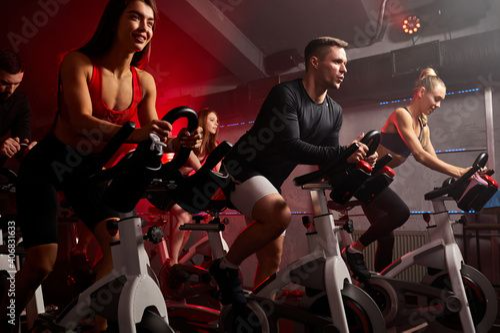

Indoor cycling has become one of the most effective workouts for people who want to stay active without leaving home. It combines cardio, endurance, and lower-body training in one session. The best part is that riders of all fitness levels can adjust the intensity according to their goals.
Many people choose indoor cycling because it delivers fast calorie-burning results while improving leg strength at the same time. Regular sessions help activate the quads, calves, hamstrings, and glutes. Over time, the legs become more toned and powerful without placing too much stress on the joints.
Increasing Calorie Burn Through Resistance Training
Resistance is one of the most important elements in indoor cycling workouts. Riding with higher resistance forces the muscles to work harder, which increases calorie expenditure and builds stronger legs. Light resistance may improve endurance, but moderate and heavy resistance create better muscle engagement.
Interval training also improves calorie burn during indoor cycling sessions. Alternating between high resistance and recovery periods keeps the heart rate elevated. This method helps the body continue burning calories even after the workout ends.
Improving Leg Strength With Proper Cycling Form
Good posture can completely change the effectiveness of an indoor cycling workout. Poor form reduces power and places unnecessary strain on the knees and lower back. Correct positioning allows the legs to generate maximum force during every pedal stroke.
The saddle height should allow a slight bend in the knee when the pedal reaches the bottom. Hand placement should feel relaxed instead of stiff. Riders should also keep the core engaged to support overall stability during intense sessions.
Using Sprint Sessions To Maximize Indoor Cycling Results
Sprint sessions are highly effective for boosting endurance and burning extra calories. Short bursts of speed challenge both the cardiovascular system and the leg muscles. These workouts increase stamina while improving lower-body power.
A common sprint strategy includes riding at maximum effort for 20 to 30 seconds followed by a short recovery phase. Repeating this cycle several times creates an intense workout in a limited amount of time.
The indoor cycling sprint workouts also prevent exercise boredom. The constant changes in pace keep the mind engaged and make sessions feel more dynamic. Many people find these workouts easier to maintain because they feel energetic and rewarding.
Supporting Muscle Recovery And Endurance Growth
Recovery is often overlooked in fitness routines, but it is essential for muscle development. The legs need time to repair and grow stronger after challenging indoor cycling sessions. Without recovery, fatigue builds up and performance slowly declines.
Hydration and nutrition play a major role in maintaining endurance. Protein supports muscle repair, while healthy carbohydrates restore energy levels after intense rides. Stretching after workouts also reduces stiffness and improves flexibility.
Creating A Long-Term Indoor Cycling Routine
Long-term success depends on creating a workout routine that feels sustainable. Indoor cycling should remain challenging, but it should also stay enjoyable. Mixing endurance rides, sprint intervals, and resistance sessions keeps the body adapting and prevents plateaus.
Tracking progress can increase motivation. Monitoring workout duration, resistance levels, and calorie burn helps riders see improvements over time. Small achievements often build the confidence needed to stay committed.